astronomy — all stories
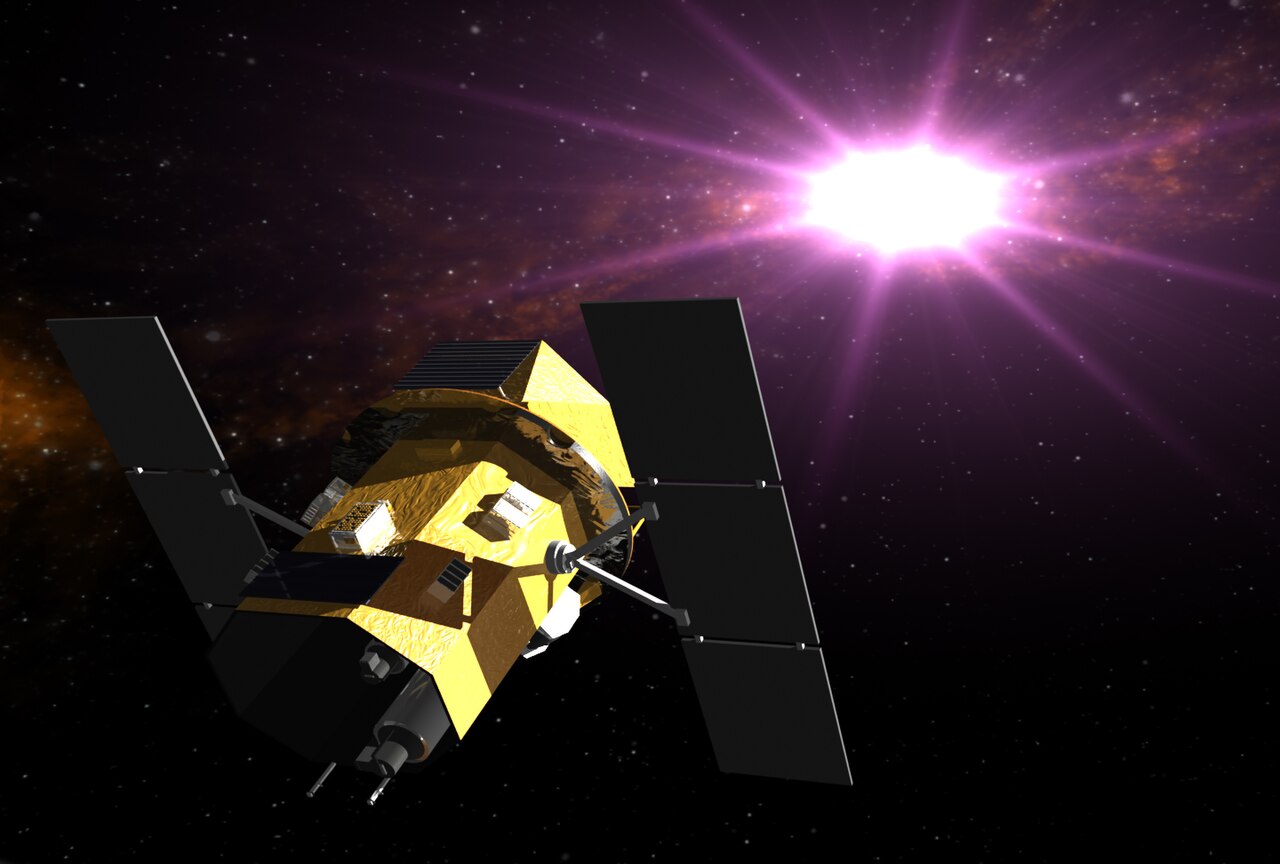
NASA’s Swift observatory ends its science mission
Over its career the observatory studied more than 2,000 gamma-ray bursts and left an archive of about 12 terabytes, NASA says.
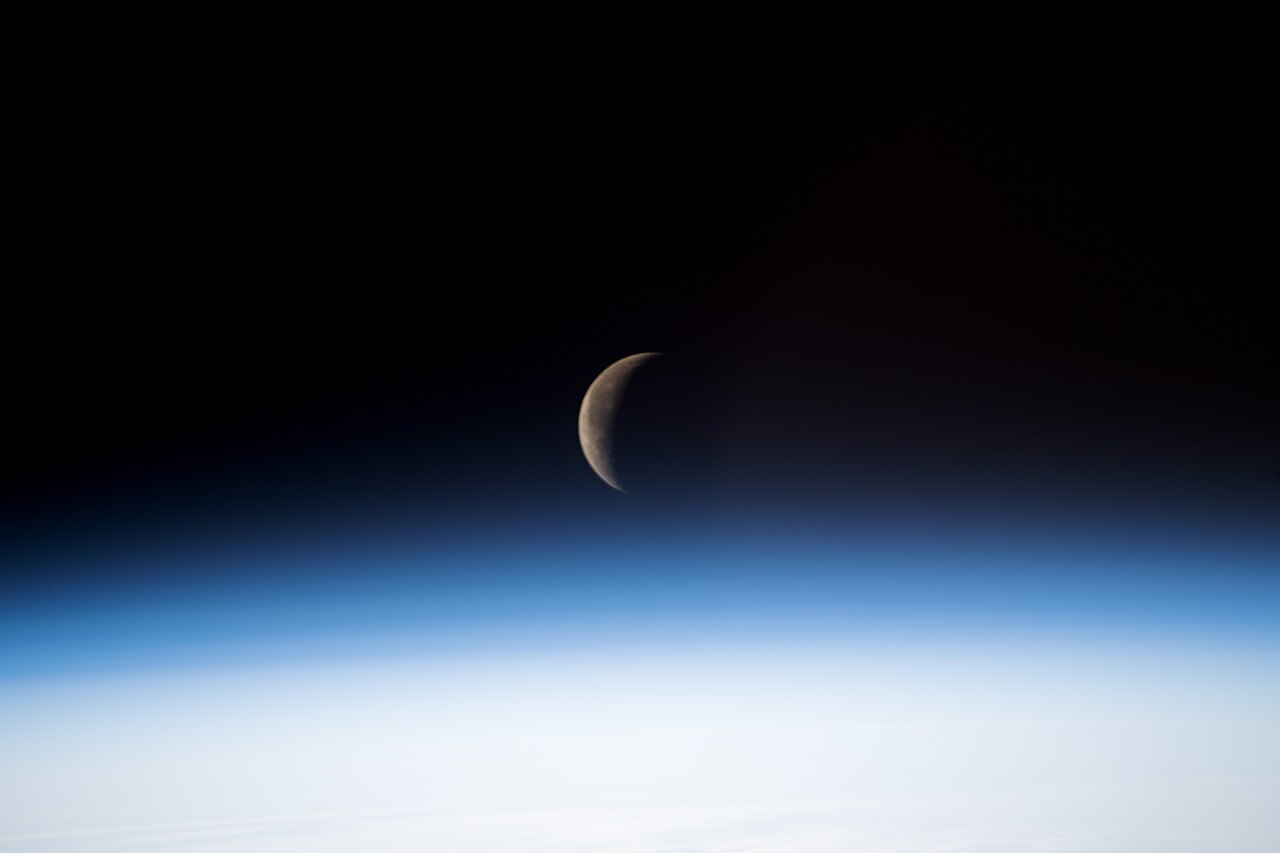
The Moon averages 238,855 miles away and is slowly moving further
If Earth were a basketball, the Moon would be a tennis ball 23 feet 9 inches away, according to a NASA scale model.
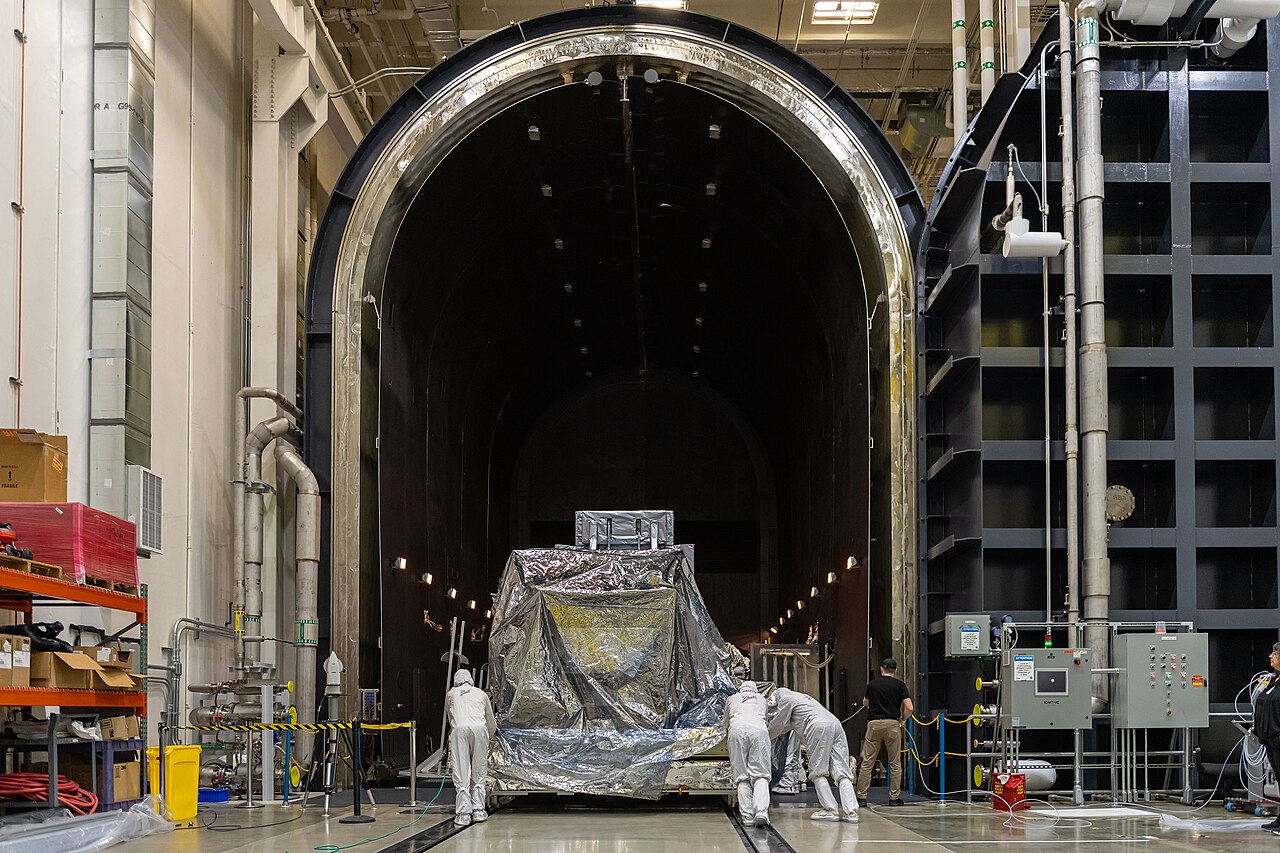
Roman telescope’s main instrument nearly 30% better than predicted
Engineers adjusted the telescope’s secondary mirror by a distance smaller than the width of a human hair.
White dwarf is first known green star, astronomers say
No white dwarf is close enough to be seen directly, so the team calculated the colour of each star from its spectrum.
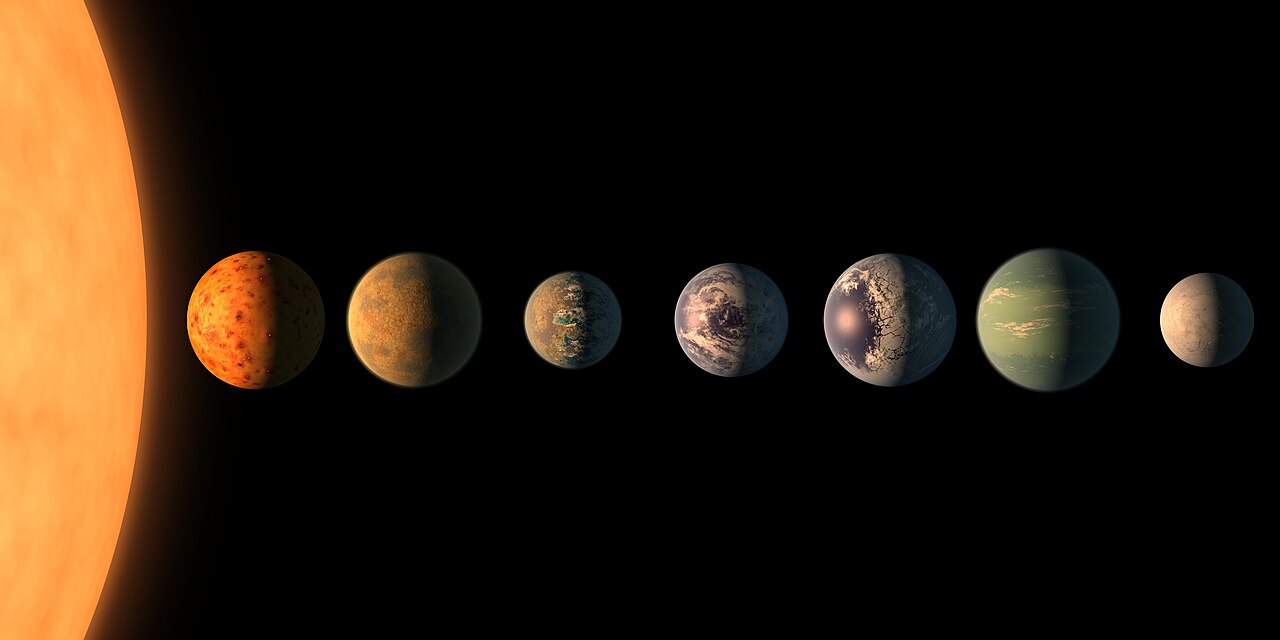
Milky Way’s multi-planet systems identified so far split into two ‘families’
Simulations that best fit the wide, massive systems have them unstable from birth, said INAF researcher Danae Polychroni.
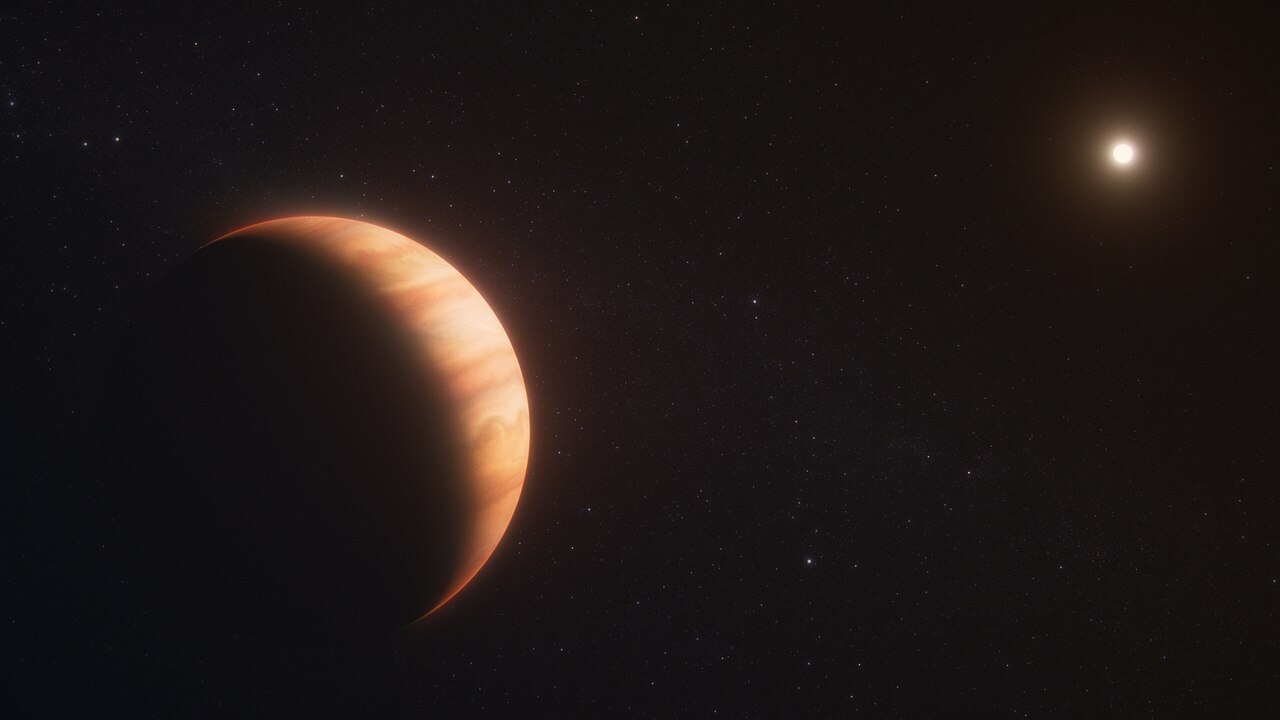
Astronomers find possible ‘phoenix planet’ born of a dead star
A faint brightness signal repeating every 4.4 days in NASA’s TESS data is consistent with a Jupiter-sized gas giant, but the planet remains a candidate.
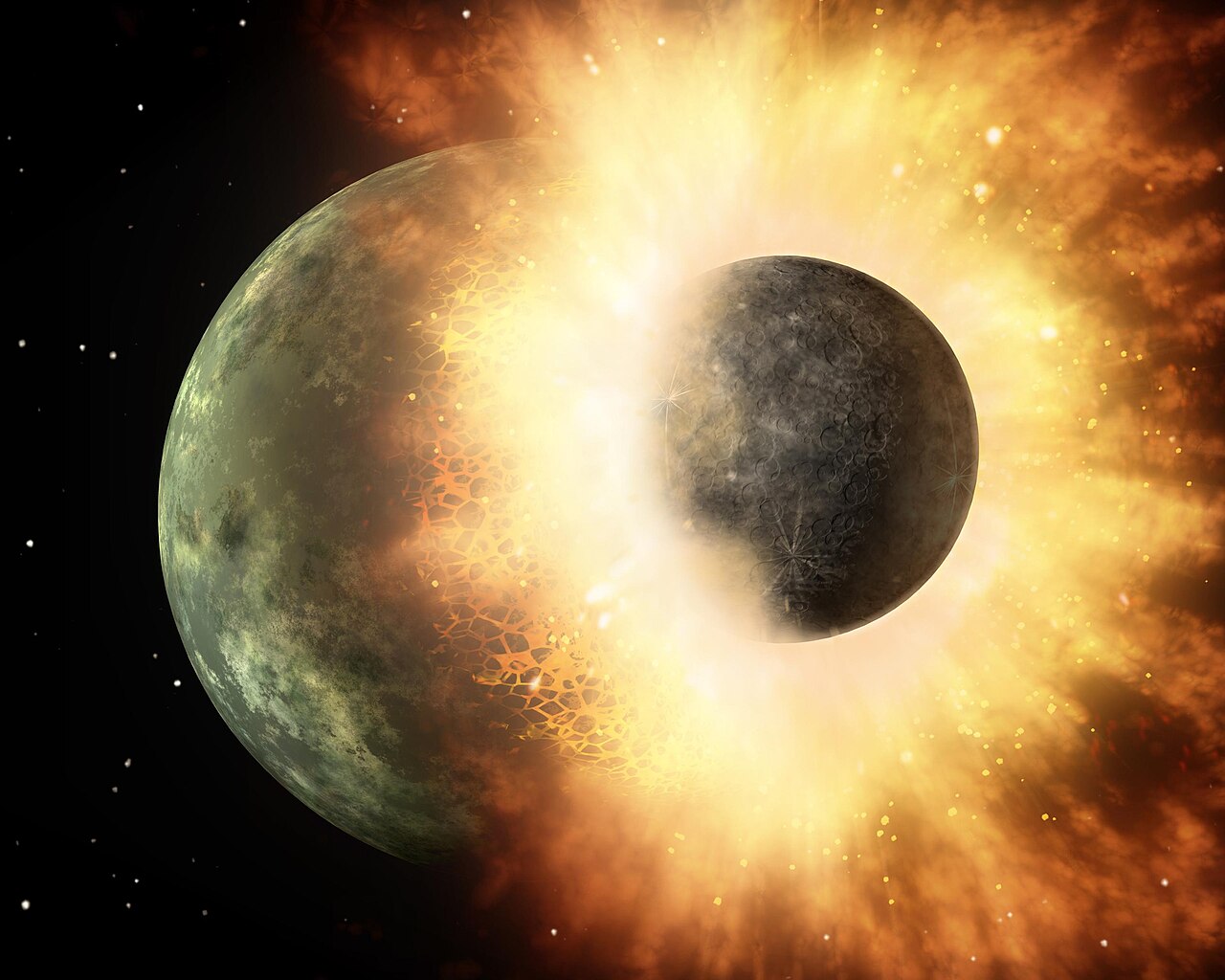
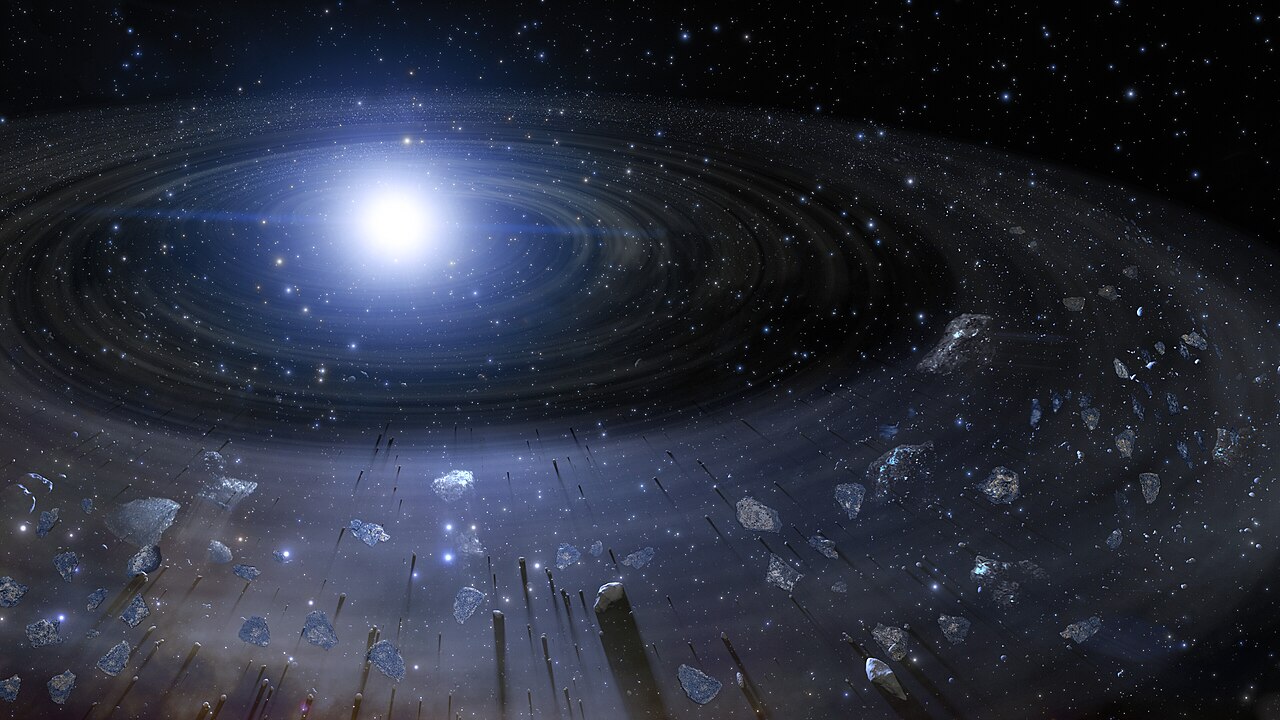
Webb finds signs of Mars-sized and Moon-sized collisions
Scientists estimate roughly 1% of young stars show this phase, but a sample of 21 dust disks points to two kinds of impact.